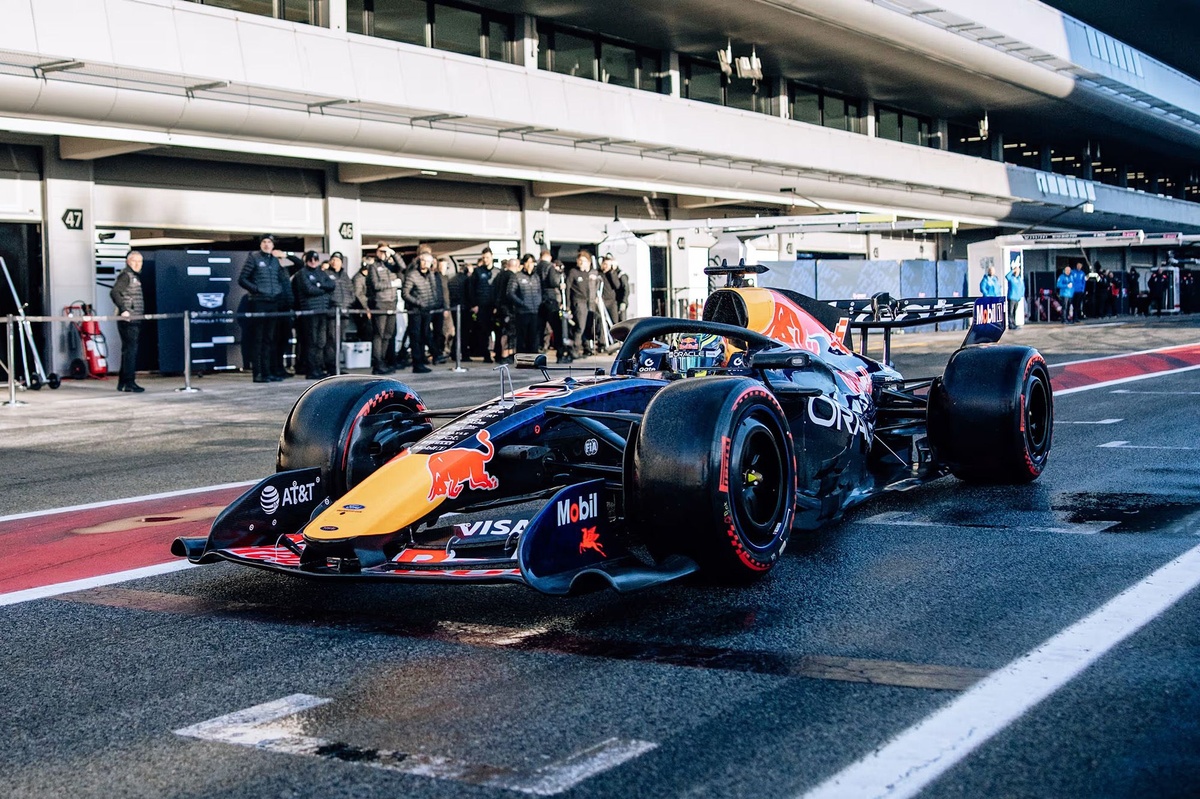
During the recent Barcelona F1 shakedown, Red Bull Racing driver Isack Hadjar experienced a crash that drew significant attention. The incident occurred on Tuesday as part of the pre-season testing, where teams and drivers evaluate their cars' performance and handling on the track.
According to Red Bull officials, the crash was primarily caused by a tire change strategy. Hadjar had switched from wet tires to intermediate tires, a move that was intended to optimize grip and handling conditions on the damp track surface. However, this transition appeared to have unintended consequences, affecting the car's stability.
Isack Hadjar himself commented on the incident, stating that the switch in tire compounds was a factor in the crash. He explained that the change in tire grip levels, combined with the track conditions, led to a loss of control, resulting in the vehicle skidding off the track and colliding with barriers.
Red Bull's technical team analyzed the crash and noted that the tire switch was a critical moment. They emphasized the importance of carefully managing tire strategies during testing, especially under variable weather conditions. The team also reassured that the incident would be thoroughly reviewed to prevent similar occurrences in future sessions.
Despite the crash, Hadjar remained optimistic about the progress made during the shakedown. He expressed confidence that the team would address the issues and improve the car's handling for upcoming races. The incident serves as a reminder of the complexities involved in Formula 1 testing, where tire choices and track conditions can significantly impact performance and safety.
As the testing continues, teams are closely monitoring how different tire compounds interact with the track surface, aiming to optimize strategies for the upcoming season. Red Bull, in particular, is focused on refining tire management to ensure better control and performance under various conditions, learning from incidents like Hadjar's crash.